
Which Filipina dating red flags matter most?
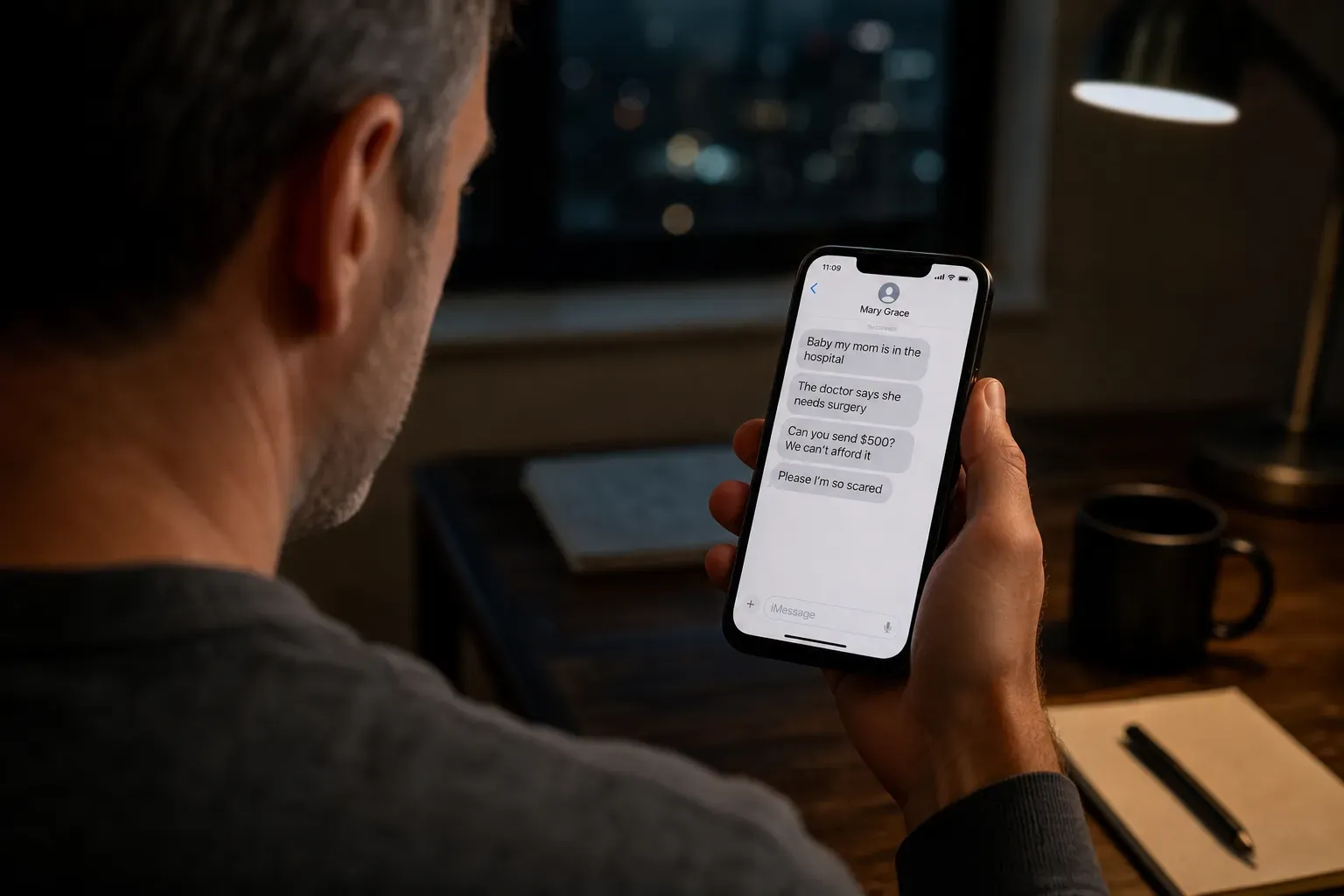
The Filipina dating red flags that call for immediate action include a request for money or account access, pressure to keep a payment secret, and threats when you refuse. Pause plans when important parts of a story keep changing or someone rushes you toward a private meetup. A missed call, a private social account, or slow replies can have ordinary explanations.
Use the same standard for any online match. Focus on the request and how the person responds to a boundary. The FTC romance scam guidance describes fake profiles, urgent payment stories, and pressure to move conversations off the dating platform.
| What you notice | What to do next |
|---|---|
| An emergency request for cash, a gift card, or cryptocurrency | Decline. If you already paid, contact the provider immediately. |
| Requests for a password, one-time code, or bank details | Stop the conversation. Use official account or bank channels if you already shared anything. |
| Pressure to move to private chat or keep the request secret | Keep the conversation on-platform, talk to someone you trust, and report persistent pressure. |
| A photo or key detail that conflicts with another source | Pause plans and ask a straightforward question. You can step back without investigating private records. |
| A missed call or a slow reply on its own | Give the person time and offer another option if you both want to talk. |
Recognize pressure to pay
Requests may start with a small amount for phone load and turn into travel expenses, medical bills, or rent. Watch for a changing amount, a deadline that keeps moving closer, or an instruction to pay a different account holder. An online match may also present an investment opportunity as a way to build a future together.
You do not need to decide whether a hospital bill or family emergency is real before declining. Say, “I don’t send money to people I’ve only met online.” If the person asks for a smaller amount or a different payment method, keep the same boundary. See the emergency money request guide for examples and reporting steps.
Check identity while respecting privacy
A live video call can help you compare the person and conversation with what you know so far. Ask for a short call at a time that works for both of you. Avoid surprise calls, demands to see someone’s home, or requests for photos of an ID. A profile badge or live call gives you a signal, and you still need to decide whether the next step feels safe.
If a profile photo appears under several unrelated names, use the dating platform’s reporting tools. A reverse image search can reveal where a public image has appeared before. No result leaves the question open, and a match under a different name may need context. Avoid uploading private photos or forwarding someone’s documents to other people.
Keep questions ordinary. If you heard two different cities mentioned, ask which one the person is actually based in. If the answer stays unclear, wait before making travel plans. See how to build trust online for ways to suggest a call and respect the other person’s pace.
Notice what happens when you slow down
Someone can be excited about a relationship and still respect a request to take it slowly. Pause if affection comes with pressure to make a payment, stop speaking to friends, disclose private information, or commit to a trip before you are ready. Talk to someone you trust if it is hard to judge the request on your own.
If you plan to meet, choose a public place both people can reach independently. Keep your hotel and return plans in your own control. If a match changes the venue to a private location or makes the meeting conditional on a fee, decline the change.
What to do if you already paid
Call the bank, card issuer, transfer company, or other payment provider using a trusted number or app. Explain that you suspect fraud and ask whether the transaction can be stopped or disputed. Save the transaction date and amount, receipts, payment identifiers, and messages that show the request.
Report the account to the dating platform. In the U.S., you can submit a report through ReportFraud.ftc.gov or the FBI Internet Crime Complaint Center. In the Philippines, the Cybercrime Investigation and Coordinating Center publicizes its 1326 hotline for online scams. Use your local reporting service if you are elsewhere.
Official sources
- FTC romance scam guidance
- FTC guidance on what to do after a scam
- FBI IC3 — Internet Crime Complaint Center
- Philippine government guidance on reporting scams to 1326
Related reading
Questions, answered
Frequently asked questions
What is the biggest Filipina dating red flag?
An online match asking for money, gifts, or account access is a reason to stop and decline. A deadline, a request for secrecy, or pressure after you say no makes the situation more concerning.
Does refusing a video call mean someone is catfishing?
A missed or declined call can have ordinary explanations. Suggest another time if you both want to talk. Pause any travel or payment decision if the person keeps avoiding reasonable contact while asking you for money or sensitive details.
Is it suspicious if someone keeps social media private?
Keeping social media or a home address private is a reasonable boundary. Look for clear contradictions in information the person chose to share and for pressure to ignore your own limits.
What should I do if I suspect a romance scam?
Stop sending money, save the profile and relevant messages, and report the account. If you already paid, contact the bank or payment provider immediately and ask what can be stopped or reversed.