
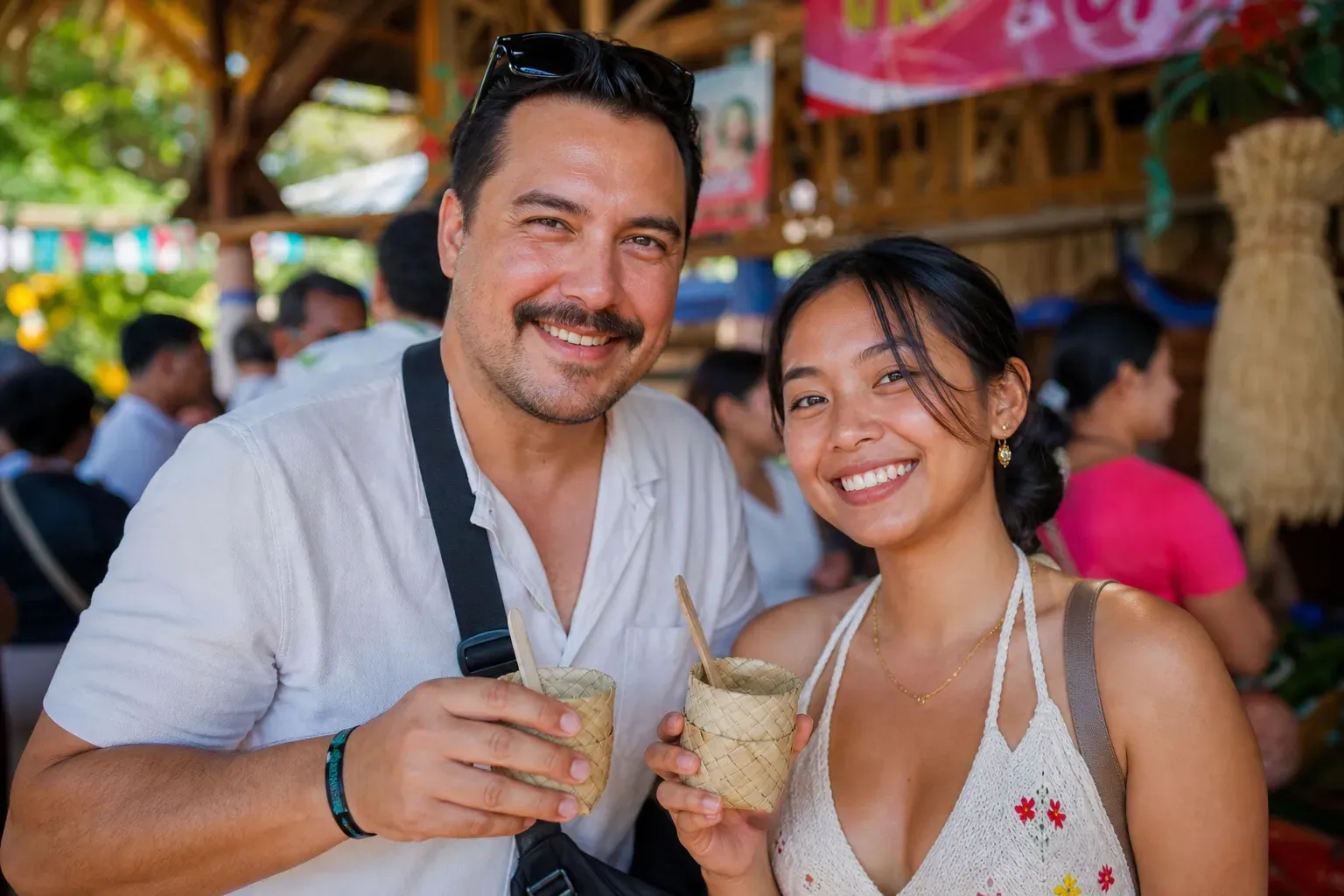
Marriage Expectations in Filipina Relationships
Marriage expectations in Filipina relationships sit at the heart of Filipino culture, and understanding them is essential for foreign men pursuing relationships in the Philippines. Unlike many Western countries where cohabitation or long-term partnerships without marriage are widely accepted, the Philippines treats marriage as the natural destination of a serious relationship. The country does not have a divorce law, which adds weight to the decision and means that both partners typically approach commitment with real gravity.
For foreign men, this context matters because it affects every stage of the relationship. From the first few conversations online to the moment you meet her family, there is often an underlying question: where is this going? Being aware of that expectation helps you communicate honestly and avoid sending mixed signals.
Why marriage expectations come up early
In many Western dating cultures, talking about marriage in the first few months can feel premature. In the Philippines, it is not unusual for a woman to ask about your long-term intentions relatively early. This is not pressure or a sign of desperation. It reflects a practical approach to dating: she does not want to invest months of emotional energy in someone who is not looking for the same outcome.
Many women in the Philippines have seen friends or relatives enter long-distance relationships with foreigners that went nowhere because intentions were never clarified. As a result, she may want to know if you see marriage as a possibility before the relationship deepens. The best response is honesty. If you are open to marriage but want to take your time getting there, say that clearly. If you are not looking for marriage at all, she deserves to know.
This directness protects both of you from wasted time and mismatched expectations.
The role of family in marriage decisions
Family involvement in marriage decisions is one of the biggest differences foreign men encounter. In the Philippines, marriage is not just a union between two people. It is a merging of families, and her parents, siblings, and extended relatives often have a voice in the process.
Meeting her family is a significant milestone. When she introduces you to her parents, it typically means she is serious about the relationship and wants their input. Her parents may ask you about your job, your plans for the future, and how you intend to support a household. These questions are not interrogations. They are a normal part of the process, and answering them openly earns respect.
In many cases, the man is expected to formally ask the parents for permission before proposing. This tradition, rooted in Filipino courtship customs, shows respect for the family structure. Even if the couple has already decided privately, the act of asking carries weight.
Financial expectations and shared responsibility
Money comes up in Filipino marriage expectations more directly than in many Western contexts. This does not mean the relationship is transactional. It reflects a practical culture where financial stability is closely tied to family security. A husband is often expected to be a reliable provider, though many modern Filipino couples share financial responsibilities.
If she has aging parents or younger siblings still in school, there may be an expectation that you will contribute to their welfare after marriage. This is part of the Filipino value of utang na loob, or a deep sense of obligation and reciprocity within the family. It is worth discussing these expectations openly before engagement so that both of you understand what married life will look like financially.
Being clear about your budget, your willingness to help her family, and your expectations about her working or managing the household prevents misunderstandings later.
Wedding traditions and ceremonies
Filipino weddings blend Catholic traditions with local customs, and they can range from simple civil ceremonies to large church weddings with hundreds of guests. If you marry in the Philippines, expect her family to be closely involved in planning. The guest list alone can be a cultural experience, as Filipino weddings often include extended family, neighbors, and community members.
Common traditions include sponsors (ninong and ninang), who serve as witnesses and mentors to the couple. There is also the cord ceremony, veil ceremony, and coin ceremony during the church service, each symbolizing unity, protection, and shared prosperity. Understanding these rituals ahead of time shows respect for her culture and makes the day meaningful for both of you.
If you plan to marry abroad, be prepared for the legal paperwork involved in bringing a Filipino spouse to your home country. Visa processing can take months, so factor that into your timeline.
How to talk about marriage without pressure
The key to navigating marriage expectations is honest, low-pressure communication. You do not need to propose after three months of chatting online. But you should be willing to share your general timeline and relationship goals.
Ask her what marriage means to her. Ask about her expectations for family life, children, and where she wants to live. These conversations build trust and show that you take her seriously. Avoiding the topic entirely can be interpreted as a lack of commitment, which may cause her to pull back.
If you are not ready for marriage, say so respectfully. Many women in the Philippines would rather hear an honest “not yet” than a vague promise that never materializes.
Practical next steps
If you want to explore compatible profiles while keeping your approach respectful, start at https://app.filipinameet.com/auth/register and keep your communication steady and honest. A calm, clear approach tends to work better than rushed decisions.
As you learn more about the culture, update your expectations and keep your intentions consistent. That consistency often leads to stronger connections. Remember that marriage expectations in the Philippines come from a place of sincerity, not pressure. Meeting them with equal sincerity is the foundation of a lasting relationship.
Related reading
Questions, answered
Frequently asked questions
Do Filipinas expect marriage quickly?
Some want marriage clearly on the table, but that does not mean rushing. Serious intent should be discussed honestly while trust, visits, and compatibility develop.
When should I talk about marriage expectations?
Talk about marriage once both people have basic trust and shared interest. Early clarity is helpful, but early promises can create pressure.
What marriage topics should couples discuss?
Discuss children, faith, family support, finances, relocation, visas, work, and where you would live before treating the relationship as marriage-bound.
What is a red flag around marriage talk?
Be cautious if marriage is used to pressure for money, documents, travel funds, or commitment before identity and relationship reality are verified.