
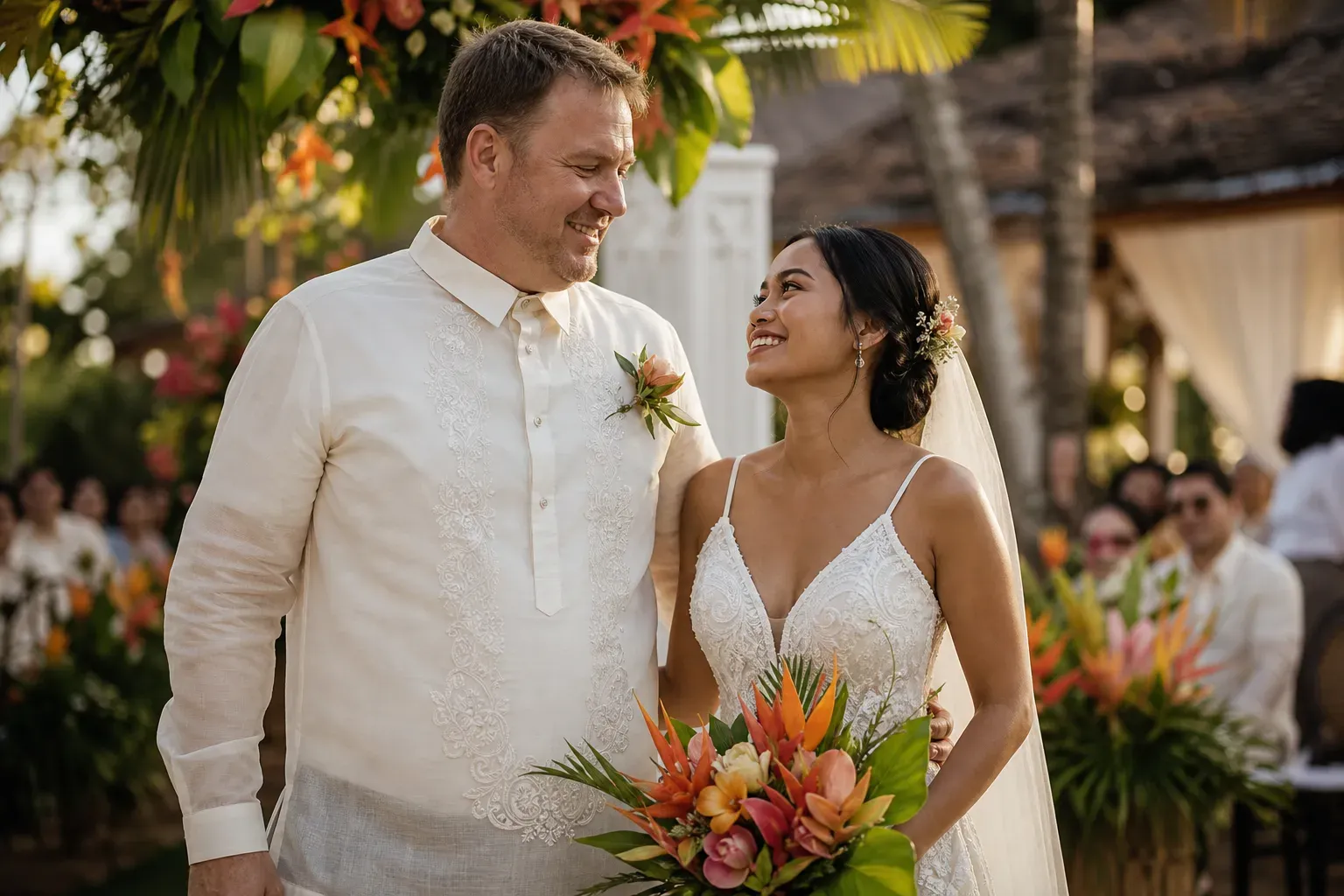
Pros and Cons of Marrying a Filipina: What to Consider
The pros and cons of marrying a Filipina deserve a realistic look before you commit. Filipinas are known for their warmth, loyalty, and family-centered approach to relationships. But like any cross-cultural marriage, marrying a Filipina comes with both real advantages and challenges worth understanding.
This guide breaks down the pros and cons in practical terms. No stereotypes, no fluff — just what you need to know.
The Pros of Marrying a Filipina
Strong family values
Family is the foundation of Filipino culture. Most Filipinas prioritize their husband and children and maintain close, supportive relationships with extended family. If you value a partner who puts family first, this mindset aligns naturally with marriage.
Warm and affectionate nature
Filipinas are generally expressive, warm, and caring in relationships. Affection is shown through words, actions, and daily gestures. For men who want a partner who actively shows love, this is a significant draw.
English proficiency
The Philippines has one of the highest English proficiency rates in Asia. Most Filipinas speak English fluently, which eliminates the language barrier that complicates many international marriages. Communication about important topics — finances, health, future plans — happens in a shared language.
Adaptability
Filipinas who marry foreign men often relocate to a new country, adapt to a different culture, and build a new life. This willingness to adapt is a genuine strength. Many adjust quickly and build strong social networks in their new home.
The Cons of Marrying a Filipina
Cultural differences in daily life
Everyday habits — food, punctuality, communication style, social norms — differ between Western and Filipino cultures. The Filipino concept of “Filipino time” (a relaxed approach to schedules) can frustrate punctual partners. These differences require patience and humor to navigate.
Family obligations and financial expectations
Filipino culture places a strong expectation on children to support their parents and siblings. Your wife may feel responsible for sending money home or helping family members. This can create tension if not discussed openly. Setting boundaries together is essential.
Long visa and immigration processes
Depending on your home country, bringing your wife to live with you involves paperwork, waiting periods, and costs. The K-1 fiancé visa (US) takes months, and the spousal visa process in other countries can be equally slow. Plan for this timeline from the start.
Social adjustment for both partners
Your wife will need to build a new social circle, adapt to a new climate, and navigate a new culture. Loneliness and homesickness are real challenges in the first year. Your support and patience during this transition matter more than any material provision.
Making the Decision
The key to a successful Filipina marriage is the same as any marriage: compatibility in values, open communication, and mutual respect. The cultural differences become manageable when both partners are committed to understanding each other.
If you approach the relationship with genuine interest in her culture and realistic expectations about the challenges, marrying a Filipina can be a deeply rewarding experience.
Conversations to Have Before You Propose
Before marriage, talk through the ordinary details that become major once you share a home. Where will you live? How often will you visit the Philippines? What financial help, if any, will go to family? How will you handle holidays, religion, children, work, and homesickness? These questions are not unromantic. They are how you protect the marriage from surprises.
It also helps to discuss conflict style. Some Filipinas avoid direct confrontation to preserve harmony, while many Western men prefer blunt discussion. Neither style is automatically wrong, but the couple needs a shared way to repair misunderstandings before resentment builds.
A Healthy Marriage Mindset
The healthiest approach is partnership, not rescue. Your wife should not feel like a project, and you should not feel like a sponsor whose job is to solve every problem. A strong Filipina marriage works best when both people bring effort, honesty, and practical planning to the table.
If you are ready for that kind of partnership, the pros become more meaningful and the cons become manageable. If you are hoping culture alone will make marriage easy, slow down and keep learning first.
Give yourself enough time to see her under normal stress too. Travel delays, family disagreement, budget limits, and paperwork frustration reveal more than romantic dates. If both of you can stay respectful when plans change, that is a better marriage signal than any stereotype about nationality.
Related reading
Questions, answered
Frequently asked questions
Is it true that Filipinas are more family-oriented?
Yes, family is central to Filipino culture. Most Filipinas maintain close ties with their extended family, and this carries into marriage.
What visa process is required to marry a Filipina?
The process depends on where you marry. A K-1 fiancé visa is common for US citizens, while marrying in the Philippines requires a Certificate of Legal Capacity to Marry.
Are financial expectations a concern in Filipina marriages?
Open communication about finances from the start is essential. While many Filipinas are not motivated by money, cultural differences in financial expectations can cause friction if not discussed early.
How do cultural differences affect a Filipina marriage?
Language, communication style, and daily habits take adjustment. Couples who approach differences with curiosity rather than frustration adapt fastest.
Do Filipina wives expect to send money home to family?
Many Filipinas feel a strong sense of responsibility toward their family. Discussing boundaries and expectations around remittances early is important for long-term harmony.