
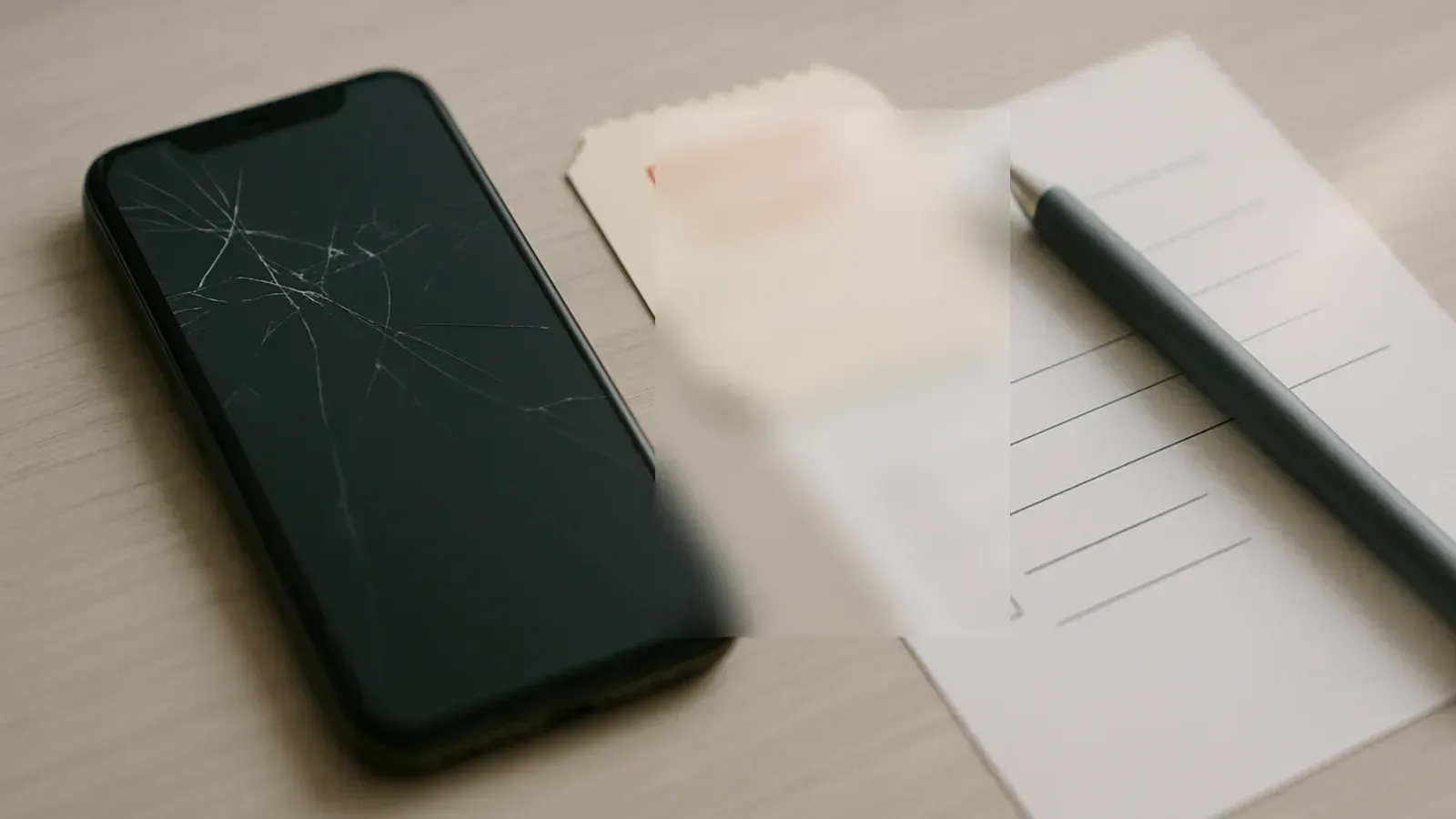
It usually starts with an apology. Her screen cracked, the phone slipped into water, or it was snatched on the way home. The message that follows is almost always the same shape: she cannot keep talking, the camera is dead so video is off the table, and a little help toward a replacement or repair would fix everything.
Here is the catch worth sitting with before you reach for your wallet. A broken phone is two things at once. It is a reason to ask for money, and it is a ready-made excuse for everything you might otherwise question, like why she never appears on video, why her replies come at strange hours, or why she vanished for two days. When one story explains both the cash request and the missing proof, that is precisely the combination scammers lean on.
The Tell in a Filipina Phone Broken Money Scam
Notice the contradiction sitting in plain sight. In a Filipina phone broken money scam, the story often says communication is impossible while messages keep arriving. If a destroyed phone meant no contact, you would not be reading her message about it. The chats are arriving, which means she has a working device, a borrowed one, or a connection somewhere right now. So the relationship is not actually at risk, and a new handset is not the rescue it is being sold as. Say that gently and watch the reply. A sincere person tends to agree and carry on talking; a script tends to pivot to urgency or hurt feelings.
Offer Patience Instead of Payment
You do not have to choose between paying and walking away. There is a calmer middle option: wait.
Tell her you are happy to keep talking on whatever she has now, and that you would rather she borrow a sibling’s or friend’s phone for a quick video hello than have you buy hardware for someone you have not met yet. This costs nothing, keeps the door open, and quietly tests the story. If the only acceptable path forward runs through your bank account, you have learned something. Real fondness survives a delay; a scam rarely tolerates one.
Read the Pressure, Not Just the Story
Pay attention to timing and tone. A money request that lands right after a wave of affection, or one that turns into sulking, anger, or a sudden bigger crisis when you hesitate, is behaving more like leverage than need. Whether or not phones genuinely break in the Philippines is beside the point. The real measure is whether someone you know only through a screen treats your “not yet” with respect or with escalation.
If You Have Already Paid or Feel Cornered
Stop sending anything more, then switch from explaining yourself to gathering a record. Screenshot the conversation, the repair shop or wallet handle, account names, numbers, and any receipts. Move fast on the money trail: call your bank or payment provider while a transfer may still be recallable. Flag the profile to the dating platform so others get a heads-up.
Readers in the United States can file with the FTC at reportfraud.ftc.gov and with the FBI’s Internet Crime Complaint Center at ic3.gov. Keep your notes tidy and dated in case you need to hand them over later.
None of this means assuming every cracked screen is a con. Most people on dating apps are simply living ordinary lives. It does mean keeping money and romance in separate lanes until a real, verifiable connection has had time to form.
What to Ask Instead of Paying
A clean next question is, “What can we do with the phone or connection you already have?” Maybe that means a two-minute video call from a sibling’s device, a voice note inside the dating app, or a planned chat when she is near Wi-Fi. You are not demanding perfection; you are looking for movement toward verification without a purchase.
If the answer is always that only your payment can restore the relationship, treat that as the signal. A real person with a broken phone still has options, delays, and patience. A scam story has one solution: you buying hardware for someone you cannot verify, usually before you have had one honest live call.
Official resources
- FTC Romance Scams — how romance scammers use fake stories to ask for money
- FBI Romance Scams — FBI guidance on fake online identities and confidence fraud
- FBI IC3 — Internet Crime Complaint Center — report suspected internet-enabled fraud
Related reading
Questions, answered
Frequently asked questions
If her phone is really broken, how is she still messaging me?
That is the question to ask out loud. If chats keep arriving, she clearly has a working device or connection right now, which means a brand-new phone is not the emergency it is being framed as. A genuine person can usually keep talking on what she already has.
She says she needs a new phone before we can video call. Should I buy it?
No. A broken camera is a tidy reason to keep avoiding live video, and that overlap is the warning sign. Offer to wait until she borrows a relative or friend phone for a short call instead of funding a purchase.
I already sent money for the repair and now she wants more. What now?
Stop paying immediately. Save the chats, the amount, and any account or wallet details, then contact your bank or payment provider right away in case the transfer can still be stopped. Report the profile to the platform you met on.